[Avg. reading time: 3 minutes]
Strongly Typed vs Weakly Typed
Strongly Typed
-
Strongly typed languages do not allow implicit conversion between unrelated types
-
Operations on incompatible types require explicit conversion
-
Strong typing is about type safety, not when types are checked
-
Strong vs weak typing is independent of static vs dynamic typing
-
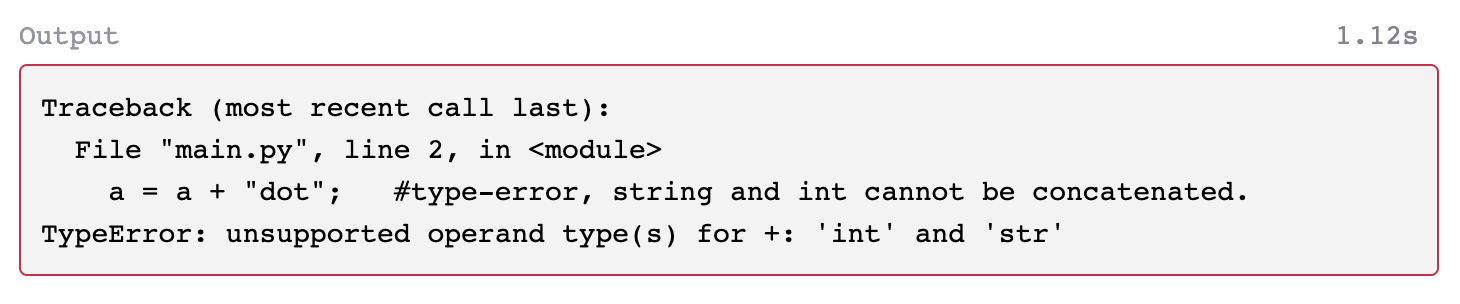
A language can be dynamically typed and still strongly typed Example: Python is strongly typed
#Python

a = 21;            #type assigned as int at runtime.
a = a + "dot";   #type-error, string and int cannot be concatenated.
print(a);
Weakly Typed
- Weakly typed languages allow implicit conversions between unrelated types
- The runtime guesses what you meant and proceeds
- This can be convenient and dangerous
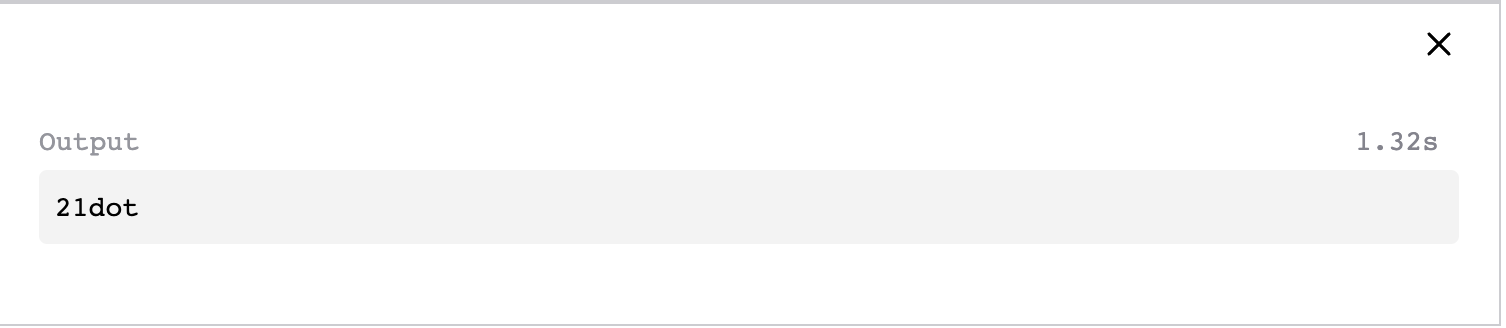
Example: JavaScript is weakly typed
/*
As Javascript is a weakly-typed language, it allows implicit conversion
between unrelated types.
*/

a = 21;
a = a + "dot";
console.log(a);
- JavaScript silently converts 21 to “21”
- Result is “21dot”
- No error, no warning